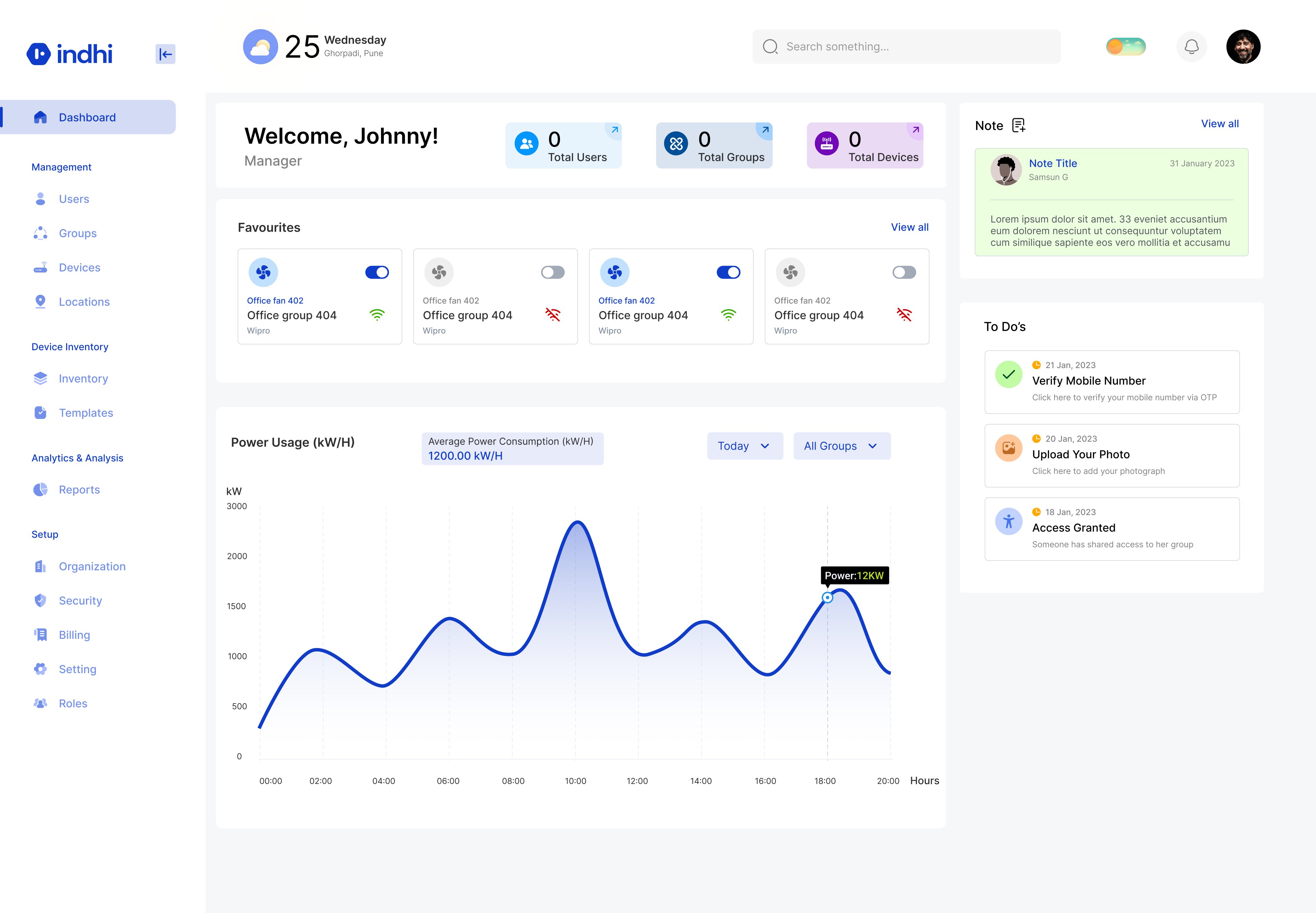
IoT platforms mirror device topology — not how people think about spaces.
People don't think in protocols and pairing. They think in spaces, intentions and outcomes — and the people running buildings need to govern infrastructure, not just toggle gadgets.
Same hierarchy, two altitudes.
One data model for two users. The web administrator provisions, governs and bills from above; the mobile occupant monitors and controls from inside the space.
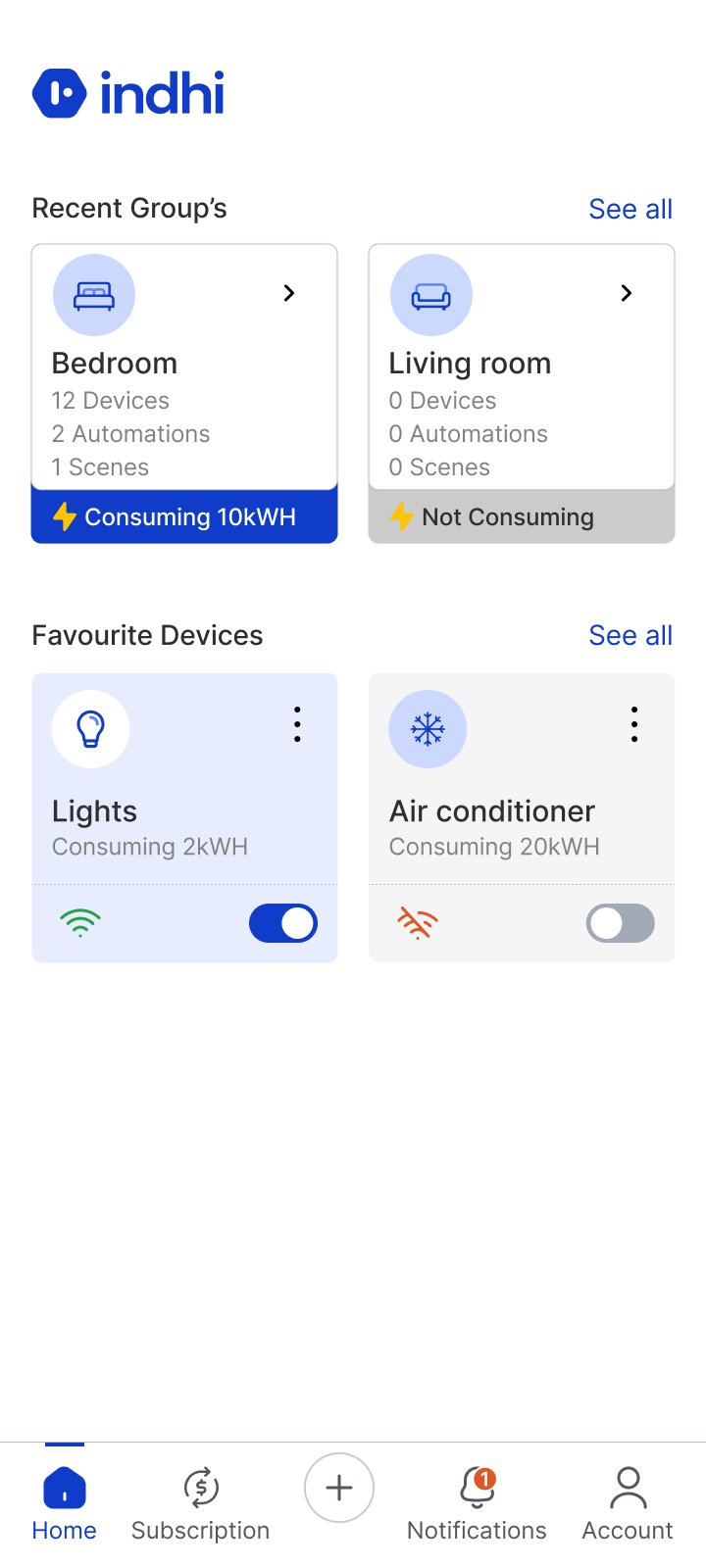
The navigation is the product strategy.
Four clusters that tell you exactly who INDHI is for — multi-tenant infrastructure with roles, security, billing and reports. Not a smart-home gadget.
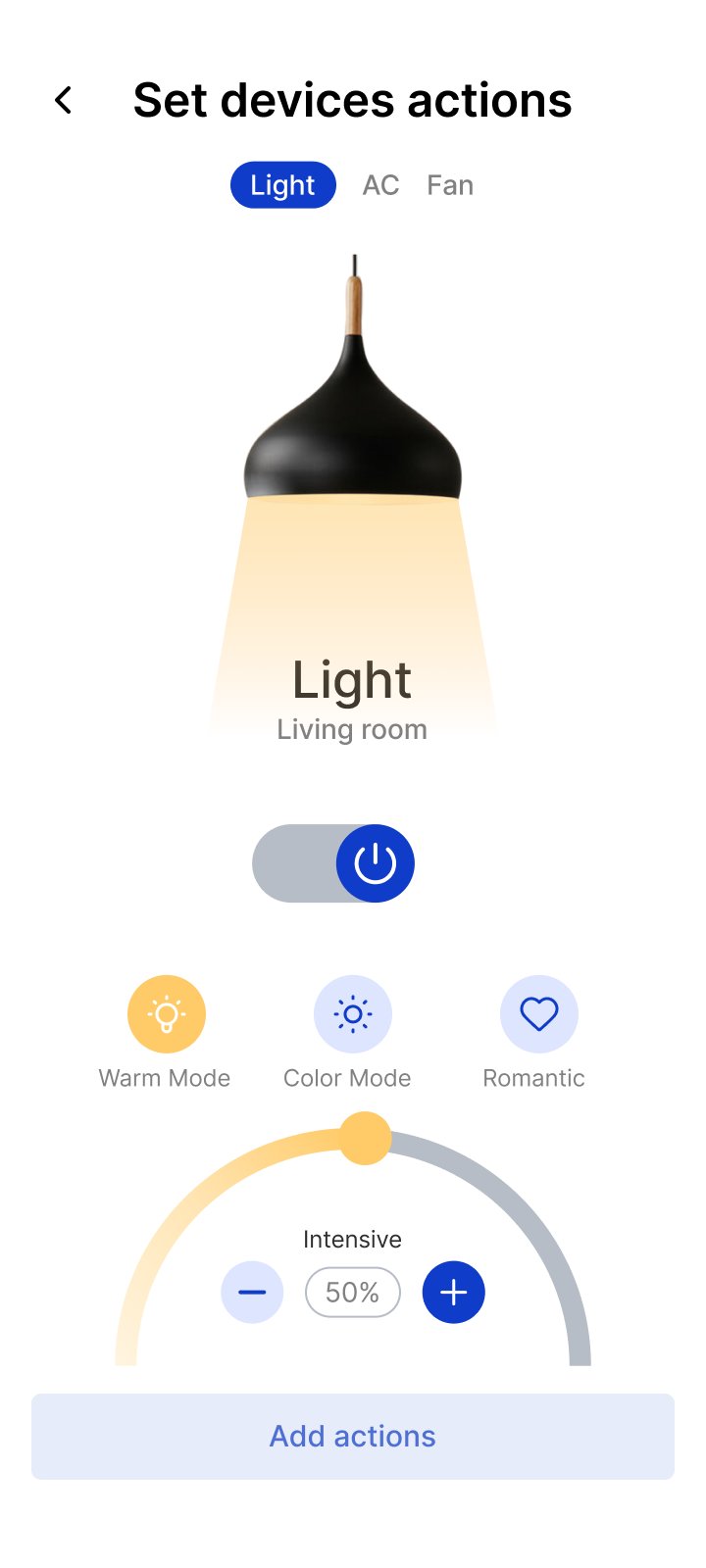
Complexity at the platform layer, simplicity at the touch layer.
For the occupant, controlling a device is one screen — warm, color or romantic mode, a radial intensity dial, instant feedback. The governance logic lives underneath; the person inside the space never feels it.
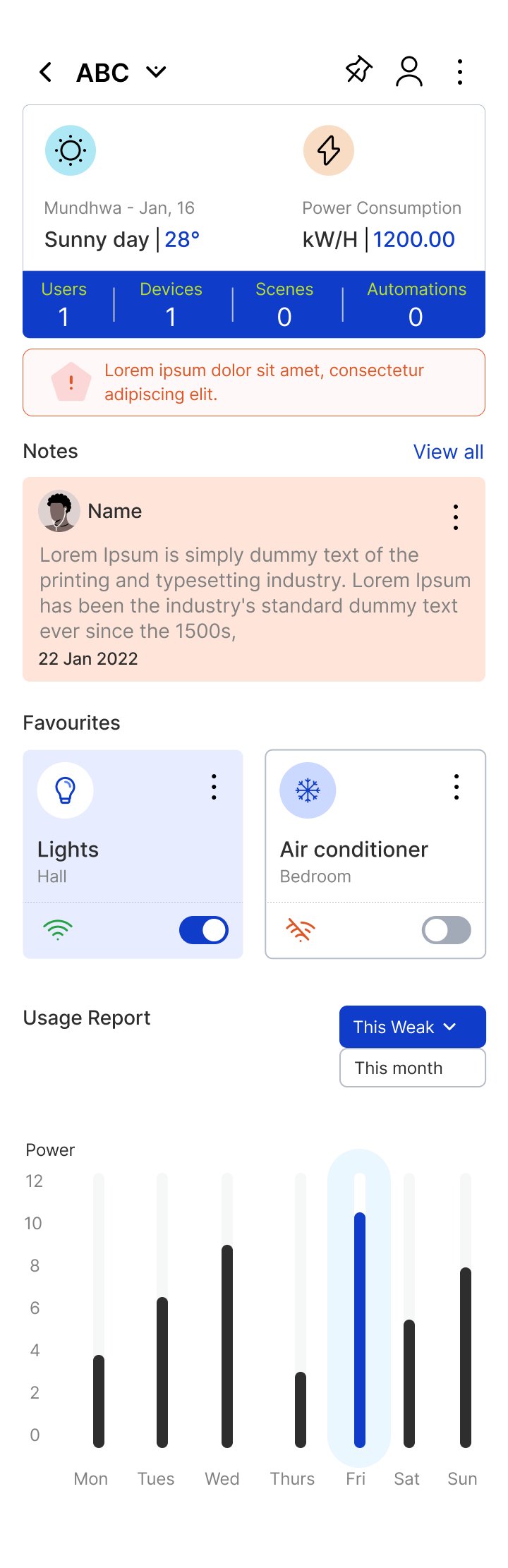
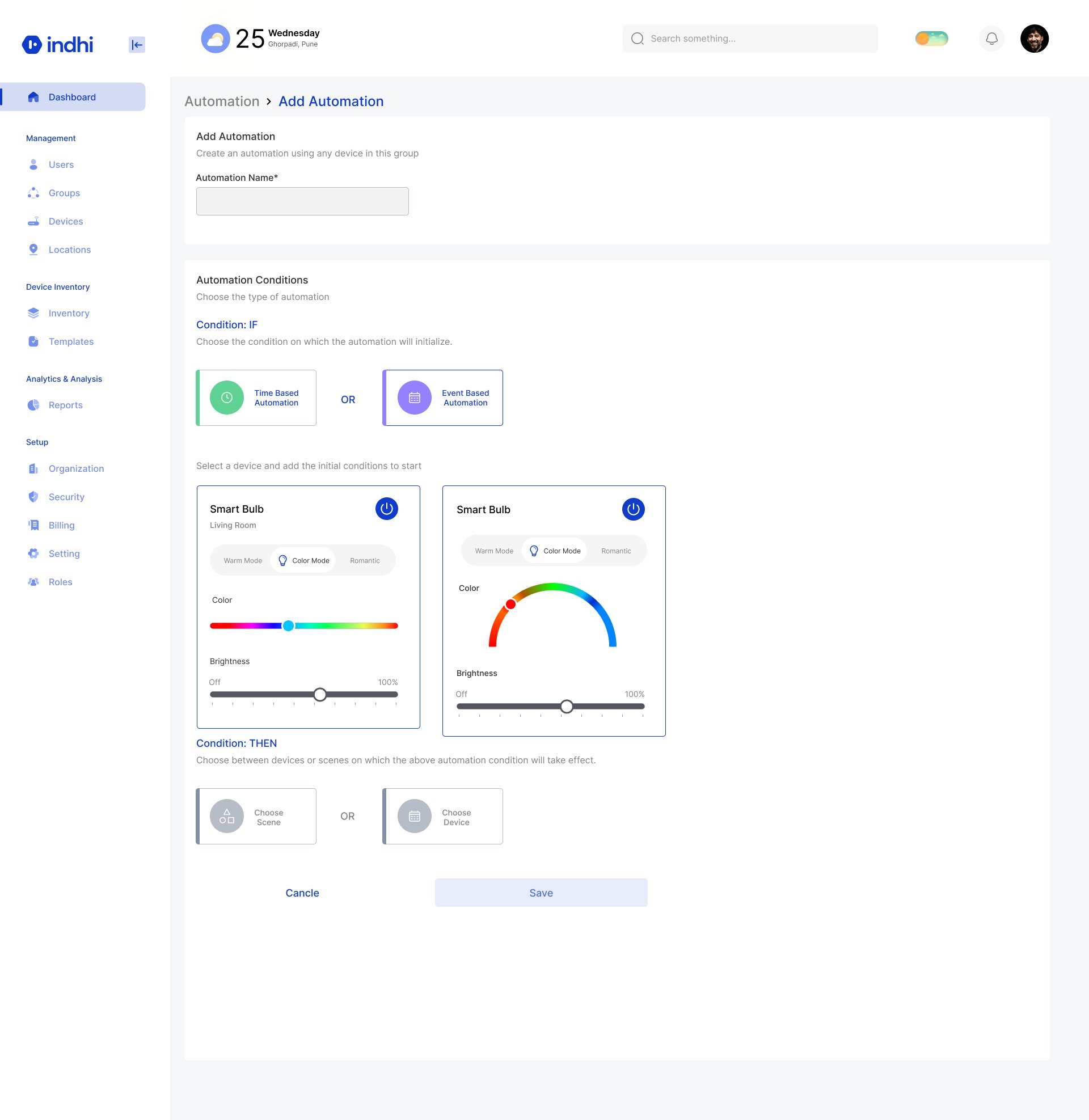
Every device, every group, accountable.
Consumption surfaces on every group card, every device entry, on web and mobile — kW/H as the platform's native unit of truth, not a buried report.
From device count to recurring revenue.
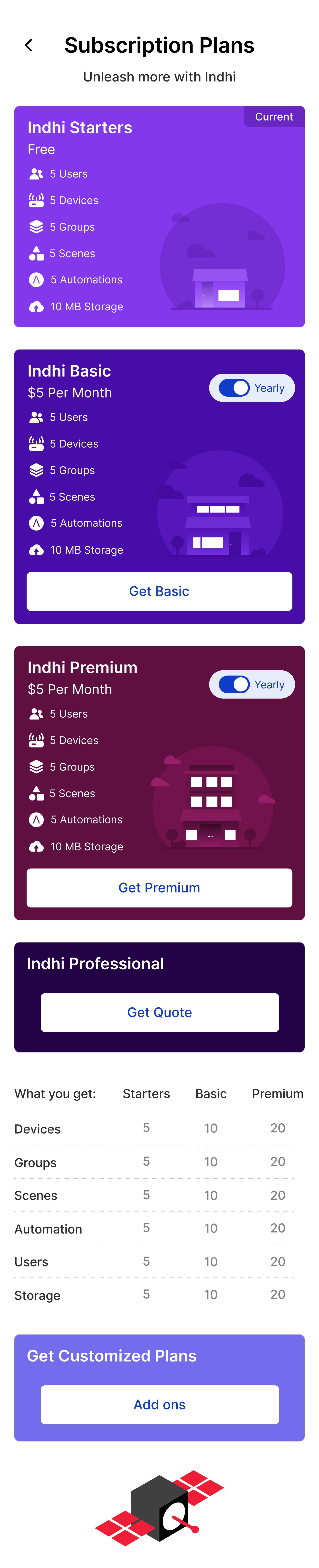
Starters → Basic → Premium → Professional: a transparent feature-tier matrix with add-ons — scaling from a single-space trial to enterprise-managed properties.
The interface mirrors how people think about spaces — not how devices network.
Spaces, intentions and outcomes at the surface. Protocols, pairing and policy beneath it.
From devices to infrastructure.
INDHI shipped across web, Android and iOS as one ecosystem — monitoring, control, automation, energy, administration and monetization. An operating system for the built environment.